
Fujairah East Coast Tour: Planning a Comfortable Day
Plan an East Coast outing from Dubai with a clear balance of scenic travel, heritage stops, coastal views and comfortable breaks.
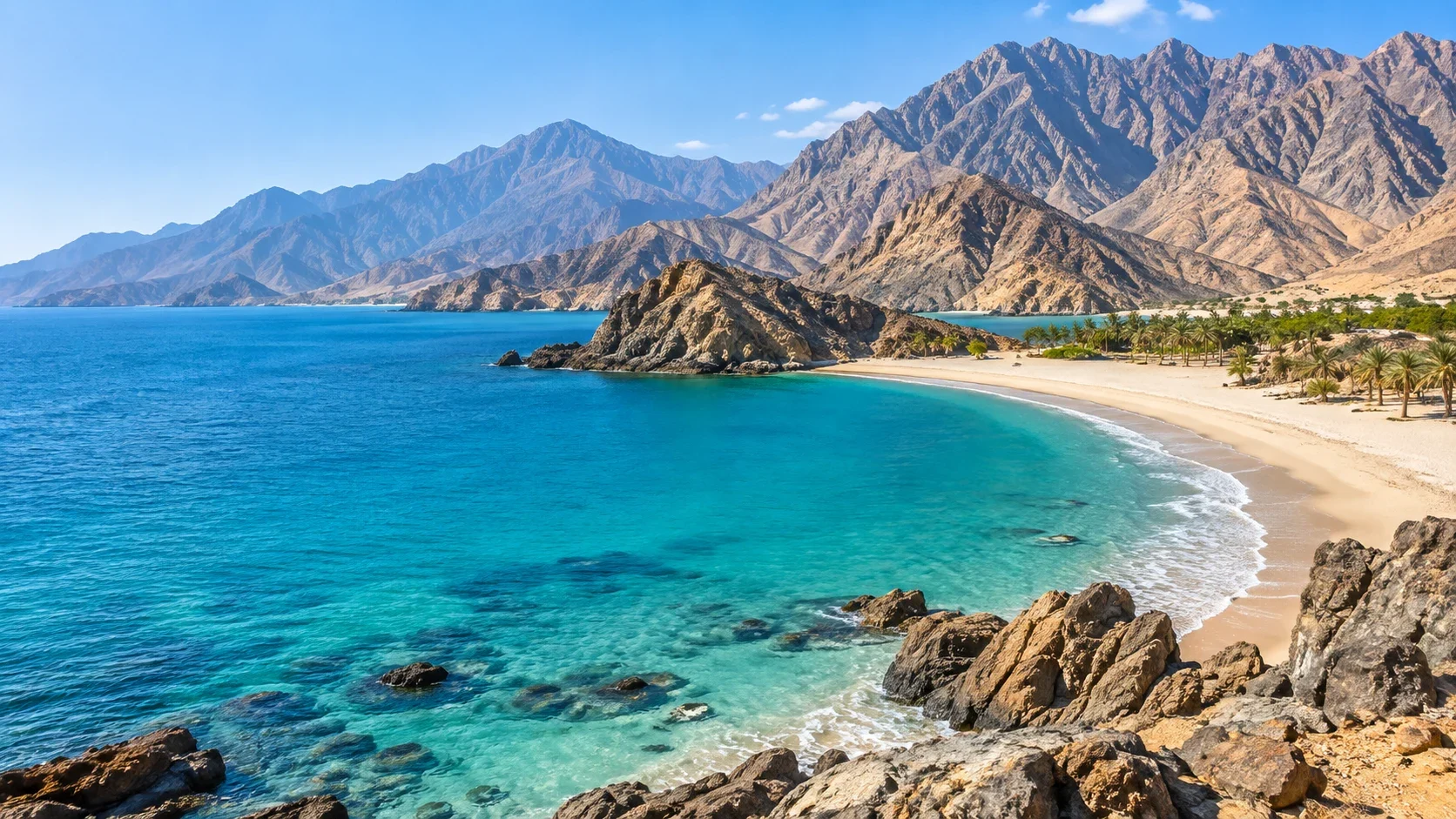
A Fujairah East Coast tour from Dubai is a landscape day as much as a sightseeing day. The journey, mountain surroundings, heritage stops and coastal views all form part of the experience. It works best when the group wants that change of setting and understands how much time the full outing needs. It works less well when the aim is to squeeze in many unrelated attractions before a tight evening deadline.
For more planning detail, read about alternative routes for repeat visitors.
This guide follows the Fujairah East Coast Tour from Dubai. The listed service includes return transport, a scenic route and selected heritage and coastal stops. Meals, paid entry and water activities are excluded. Possible route elements include mountain markets, an Al Bidya Mosque exterior stop, the Fujairah Fort area and coastal viewpoints, subject to access and the confirmed package.
Decide what you want from the East Coast
Start with the type of day rather than a long list of place names. Do you want a scenic drive with short pauses, more heritage time or a longer coastal stop? Those preferences affect the route. A group interested in photographs may need fewer places and more time at viewpoints. A group interested in history may prefer one meaningful visit over several short exterior stops.
Share one main priority and a few optional interests. Do not expect every possible market, fort, mosque and beach to become a guaranteed inclusion. The tour page describes a route style, while the confirmation should name the actual arrangement. If one place is essential, tell the team before paying and ask whether that visit is practical on your travel date.
Let the journey be part of the day
For this outing, the changing landscape is part of the appeal. Leave time to look out of the window and enjoy the drive rather than treating all travel as wasted time between photos. If your group dislikes longer vehicle journeys, discuss that honestly before booking. A shorter Dubai experience may be a better fit even if the East Coast photographs look attractive.
Ask the team for a realistic outline from your hotel area. Do not use one map estimate as a guarantee of the full journey. Collection, breaks, local movement, parking and the return all matter. If you have a fixed event later, share its required arrival time so the operator can explain whether the day trip leaves enough room or should be planned differently.
Separate heritage views from entry visits
A fort-area stop can be an outside view rather than a ticketed interior visit. A mosque exterior stop does not promise entry. Ask the team to describe what happens at each place rather than accepting a list of names without detail. The difference affects clothing, photography, walking and the amount of time you should expect to spend there.
If entry to a particular cultural site matters to you, ask about current access and any ticket needed. Paid entry is excluded from the listed product unless confirmed otherwise. Do not buy independent tickets before checking how they fit the route. A separate reservation needs to be coordinated with transport, and a general scenic tour may not include the time or guiding you have imagined.
Follow the venue's visitor guidance
Check the current guidance for any place you will enter and follow staff instructions. A heritage or worship site should not be treated only as a photo background. Keep paths and entrances clear, ask before photographing people as the main subject and respect any photography restrictions. These habits make the visit more comfortable for both visitors and people using the place.
Use the actual confirmed itinerary when preparing. There is little value in worrying about entry rules for a venue that the route only passes outside, while overlooking the requirements of a site you will enter. Ask a focused question when something is unclear. The team should help distinguish a scenic view, exterior stop and admission visit before the day begins.
Understand what a coastal stop means
Seeing the sea is not the same as booking a beach day, swimming session or boat activity. The product lists selected coastal stops and explicitly excludes water activities. Ask whether the proposed pause is for photographs, a short walk or a longer visit. If you want an activity on the water, request a separate arrangement and confirm that it fits the day.
Do not pack the whole group for swimming based only on a coastal image. Access, facilities and conditions are specific to the selected place. Confirm any activity provider and participation instructions separately. This guide does not assess conditions or personal suitability. Follow the relevant staff's directions, and do not turn an ordinary viewpoint stop into an unplanned water activity that the tour has not arranged.
Plan for non-participants too
If an optional activity is added, agree what the rest of the group will do. Ask about the waiting location, available facilities and meeting time rather than assuming there is a suitable café or shaded area. The travellers who are not taking part need a comfortable plan as well. Keep adult responsibility for children clear; a transport booking does not provide childcare.
Tell the team which part of the day matters most if conditions change. Would you still want the scenic route if the activity were unavailable, or would that change your reason for travelling? Ask how the actual terms handle the situation. Transport and a separate activity can have different suppliers and rules, so do not assume a single answer applies to every part.
Keep market visits in proportion
A mountain-market stop can be a chance to browse, stretch and look around. It should not consume the time reserved for the main coastal or heritage interest unless the group chooses that change. Ask whether the stop is part of the confirmed plan and how much time it allows. A route can become surprisingly rushed if every short pause turns into a longer shopping visit.
Keep purchases independent from the tour cost and ask the seller about items and terms. You do not need to buy something simply because the vehicle has stopped nearby. Carry bags you can manage and check storage if you expect bulky purchases. If shopping becomes a main priority, discuss it before booking so the day does not unexpectedly change for everyone else.
Protect comfort on a longer outing
Put food, water and rest into the route rather than leaving them until someone is tired. Meals are excluded from the listed tour. Ask how a suitable break can fit, especially if the group has children or people who prefer a slower pace. A pause is part of a good day, not a failure to complete an attraction list.
Bring comfortable clothes and footwear for the actual confirmed stops. Ask about walking distance and surfaces if those details matter to your group. Keep ordinary outdoor essentials accessible without carrying an oversized bag to every viewpoint. A comfortable journey depends on a sensible pace and clear expectations more than on a large collection of equipment you may never use.
Keep the group together at each departure
Agree a meeting point and return time before people spread out for photographs or browsing. Keep the tour contact aware if the plan changes. A large site or roadside area can have more than one possible vehicle location. Do not move to another entrance without telling the operator, and avoid waiting where vehicles need to turn or stop.
Before leaving, count passengers and belongings. Check that phones, purchases and children's items are with their owners. A small routine at each stop prevents avoidable delays and lost-property worries. If something is missing, report it promptly through the booking contact with a clear description and the last known location. Do not wait until the end of the holiday to raise a problem.
Choose a realistic return arrangement
Leave a comfortable gap between the planned return and a separate dinner, show or transfer. A long day trip is not a precise connection service to an unrelated event. If you must be at a particular place by a particular time, tell the team before choosing the route. It can then explain whether fewer stops or another date would be more suitable.
During the day, treat extra requests as choices with an effect. A longer market visit or added attraction may use the time intended for another stop. Ask what would be shortened before agreeing. Keeping the main priority clear makes it easier to adapt calmly. It is better to enjoy a few well-chosen experiences than to spend the afternoon rushing through places because the list has become too long.
Compare the East Coast with other scenery days
The Fujairah outing suits travellers interested in a longer scenic route with heritage and coastal elements. For a mountain-focused day with optional activities, compare the Hatta Mountain Tour. For an oasis and cultural setting, compare the Al Ain City Tour. The best choice depends on your group's interests and comfort with the journey, not on which product has the longest title.
If you mainly want views from the water without a cross-emirate drive, compare the Dubai Marina Sightseeing Cruise. That is a different experience with its own vessel and boarding arrangements. Do not treat it as an interchangeable version of an East Coast day. Comparing the actual style of each outing helps you choose a holiday with variety and enough rest.
Write a useful East Coast enquiry
Send your travel date, hotel area and group size, then say whether scenery, heritage or the coast matters most. Add one essential place if you have one. Mention walking needs, planned independent tickets and any fixed return deadline. Ask which stops are confirmed, what entry is included and whether any activity is separate. Those details turn a broad enquiry into a practical route discussion.
After the team replies, read the plan with the other travellers. Make sure everyone understands that a coastal stop does not automatically mean swimming and that a heritage name does not automatically mean entry. Check food and return arrangements. Once those points are clear, you can enjoy the change of landscape without repeatedly negotiating the basic purpose of the day.
Turn a tour description into a clear booking
A useful tour confirmation answers practical questions in plain language. It names the experience, date, people travelling, start arrangement, finish arrangement and important inclusions. A picture of a landmark cannot tell you whether you will go inside. A phrase such as “flexible route” cannot tell you how many hours are booked. Read the written details together before making the final choice. Ask about anything that would change your decision, especially a must-see attraction or a fixed evening commitment.
Check the total and what it covers
Ask for the total for your own group and date. Check whether the amount is per adult, per child, per ticket or for the whole vehicle. Do not multiply a headline price until the pricing basis is clear. Keep entry tickets, food, transfers and optional activities on separate lines when they are charged separately. Two quotes can look very different because one includes something the other leaves for you to arrange. Compare the same service before choosing on price.
An optional extra should stay optional. Ask what happens to the day if you do not buy it. Can you spend that time at an agreed nearby stop, or must you remain with the group? If some people want the extra and others do not, check the meeting arrangement before paying. This is particularly useful when a group has different interests. A clear answer can prevent a long wait or a rushed reunion later.
Give useful information without oversharing
Send the travel date, number of adults, children's ages where relevant, hotel location and your main priorities. Mention practical needs such as shorter walks, step-free boarding or room for a folded stroller. Describe what help you need rather than sending private medical records. The booking team can then check whether the specific vehicle, venue or service suits the request. Do not assume a general family label means every individual access need has been assessed.
Keep one person responsible for the final version of the plan. A group chat can contain several different dates, hotel names and suggested routes. Once everyone agrees, send one short summary and ask the team to confirm it. Save that reply where you can find it offline. If someone changes hotels or adds a passenger, update the booking team early. A message to another traveller does not automatically change a supplier's reservation.
Read the change and cancellation terms
Check the cancellation deadline and which time zone it uses. Ask whether tickets, transport and activities have separate change rules. A tour may involve more than one supplier, so changing a vehicle arrangement may not move an attraction ticket. Do not treat a flexible conversation as a promise that every part can be changed without cost. Read the applicable terms before payment, and keep the confirmation with the receipt.
If weather or access affects the experience, ask what the operator will offer. Possible outcomes depend on the booking, supplier and reason for the change. They may involve a revised route, a different time or another arrangement under the stated terms. Do not rely on an article to promise a refund or replacement. The point of asking early is to know who will contact you and what choice you will have if the original plan cannot run.
Leave a real buffer around the experience
Travel time, waiting time and activity time are different parts of a day. A journey shown on a map does not include finding the meeting point, walking from parking, checking a voucher or gathering a group. Leave space between the tour and a separate reservation. If a finish time matters, tell the team before it builds the route. An early request gives more room to choose sensible stops than a last-minute warning during the drive.
Finally, make the plan easy to use. Keep the confirmed meeting instructions, contact method and essential tickets together. Charge your phone, bring the ordinary items your group needs and avoid carrying more than you can manage at every stop. Check the latest operational message before leaving. Good preparation does not remove every surprise. It helps you respond calmly, protect your priorities and enjoy the experience you actually booked.
Ten Fujairah East Coast tour FAQs
1. Is this mainly a beach trip?
The listed product is a scenic tour with selected heritage and coastal stops. Do not assume a full beach stay or swimming session. Ask what the actual coastal pause involves. If water time is your main aim, request the specific arrangement and check whether it fits the route rather than relying on a destination photograph.
2. Are water activities included?
No. The product lists water activities as excluded. Ask separately if you want one, and confirm the provider, participation instructions and effect on the itinerary. A coastal viewpoint does not supply equipment or activity supervision. Make sure the rest of the group also has a suitable plan if some passengers do not participate.
3. Will we enter every heritage site named on the page?
Do not assume that. The description includes possible stops, including exterior or area visits, subject to access and the confirmed package. Ask which places involve admission and what is included. A list of landmarks is not a ticket list, and an exterior photo stop can require much less time than a full interior visit.
4. Are meals included?
Meals are listed as excluded. Ask where a break can fit and allow a separate budget. A longer outing is more comfortable when food and rest are planned rather than squeezed into the final minutes. Mention practical meal needs early, and do not assume a particular restaurant reservation is part of a scenic route.
5. Can we make shopping a main part of the day?
Discuss that before booking. A market pause may be short and designed to support the scenic route. If you want extended browsing, ask what it would replace. Keep purchases separate from the tour cost and avoid expecting a stop to expand without affecting the time available at coastal or heritage places later.
6. How can we judge whether the drive suits us?
Ask for a realistic full-day outline from your own hotel and consider how your group feels about longer vehicle journeys. Include stops, breaks and the return rather than only a map estimate. If the drive itself will be difficult to enjoy, a closer Dubai experience may be a better choice for your holiday.
7. Can we add another attraction during the trip?
Ask the operator whether it fits the booked service and current access. An addition may require dropping another stop or changing the quote. Keep your main priority and return needs clear. The fact that a place appears near the route on a map does not mean it takes no extra time to visit.
8. What should we wear and bring?
Prepare for the confirmed stops with comfortable footwear and ordinary outdoor essentials. Follow any specific venue guidance and separate activity instructions. Carry only what you can manage during walks. If you need storage for bulky items or have a practical access requirement, ask before the vehicle and route are finalised.
9. What if weather changes the route?
Ask before payment how the tour and any separate activity handle weather or access changes. The answer depends on the actual terms and supplier. Tell the team whether you would still enjoy a scenic day if one element changed. That helps it explain suitable choices instead of leaving an important expectation unspoken.
10. How do we request the right plan?
Use the contact page with your date, hotel, group and main East Coast interest. Add an essential place, walking needs and a return deadline if relevant. Ask for actual stops and exclusions. A focused enquiry gives the team a clear basis for a comfortable route rather than an overloaded list of possibilities.


