
Dubai City Tour With Less Walking: Stops and Comfort Planning
Plan a comfortable Dubai sightseeing day with clear checks for boarding, short walks, seating and breaks, plus 10 practical FAQs.
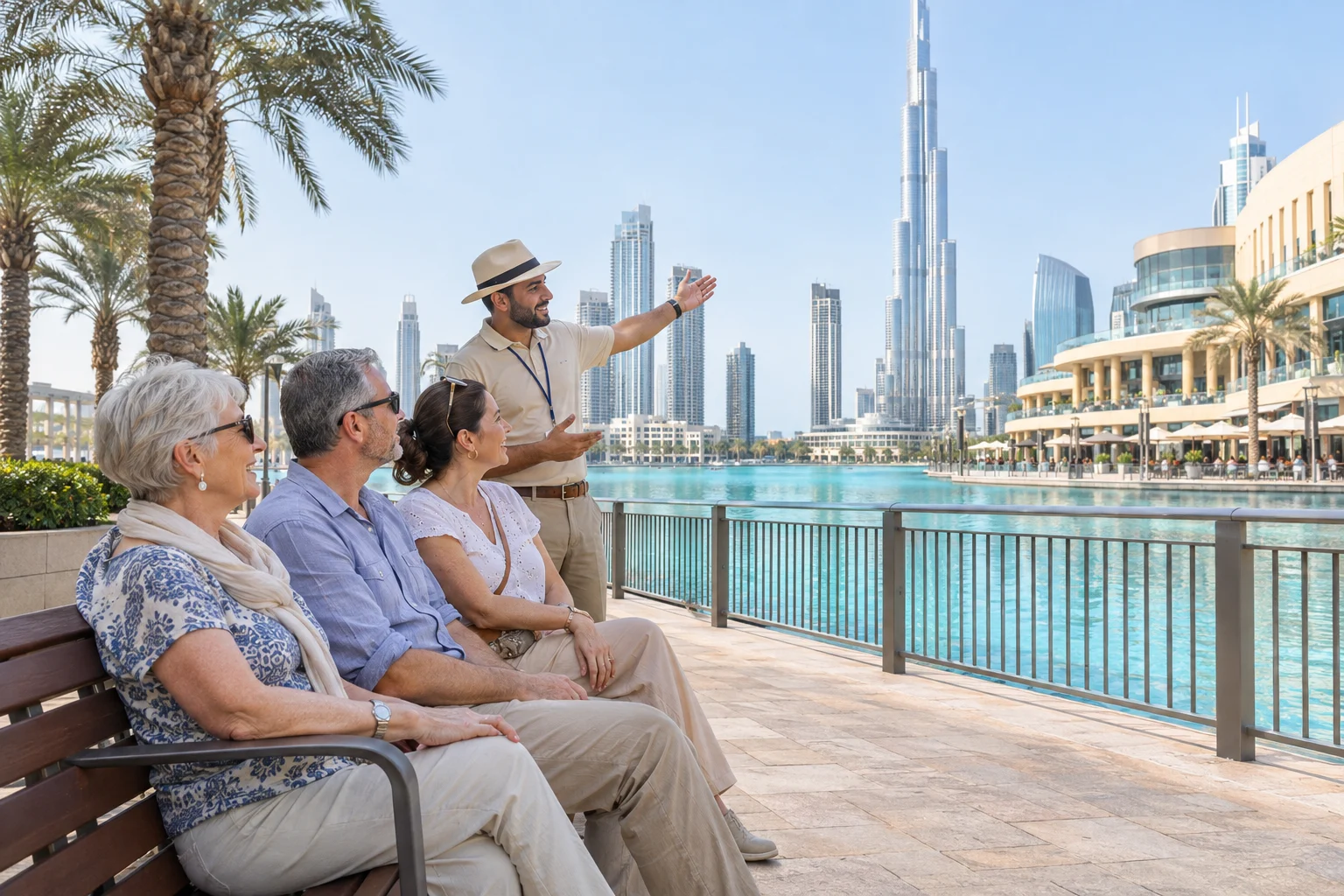
You can want to see Dubai without wanting a long walking day. Perhaps your group includes people who prefer shorter strolls, someone carrying a small child or a visitor who would rather spend more time sitting and looking at a view. The useful question is not simply whether a tour is easy. It is what each stop actually asks you to do.
A Dubai city tour with less walking begins with a clear description of your preferences and needs. Ask about the route from the vehicle, the time on your feet, steps, surfaces and places to sit. Then choose fewer worthwhile stops that fit the day. A private vehicle or a comfortable seat between districts does not automatically remove walking at attractions.
This guide explains how to prepare that enquiry and compare the answers. It includes route choices, transport questions, ticket planning, a cost example and 10 FAQs. It does not certify that a venue or vehicle is suitable for a particular guest. Confirm the actual features with the responsible provider before booking.
Describe what less walking means to your group
Different people mean different things by a short walk. One guest may enjoy a relaxed stroll with regular pauses, while another needs a step-free route and a particular distance checked. Use practical language that reflects the person travelling. A vague request for an easy tour leaves the provider guessing about what matters.
Ask guests what they want to enjoy as well as what they want to avoid. Someone may be happy to walk inside one museum but prefer shorter outdoor stops. Another may want only viewpoints and a meal. The route should reflect those choices rather than make the whole group follow an assumption based on age or appearance.
Create a simple needs note
Write the relevant features in a short note: preferred stop length, step-free questions, seating, vehicle boarding and any equipment that needs storage. Ask the provider which information it needs to answer. Share only what is necessary through the appropriate channel; a practical transport question does not usually require a personal history sent to several companies.
If a guest needs personal advice about taking part, they should consult their own qualified professional. The tour organiser's role is to obtain clear information about the service. Keep the distinction useful and simple: the provider explains the actual arrangement, and the traveller decides with the information and advice appropriate to their situation.
Separate driving, photo stops and interior visits
A drive past a landmark, a short photo stop and a full visit inside are different experiences. Ask which is included at each point of the proposed route. A long list of attractions can sound impressive while hiding very different amounts of walking. Do not compare two itineraries only by counting the names printed on them.
For every important stop, ask where guests leave the vehicle, what they do and how they return. Include ticket checks, queues and the distance through a building when relevant. The sightseeing moment may be short while the total route takes longer. A useful description covers the whole visit, not just the view at the end.
Choose which stop deserves the most effort
Pick one main visit you really want, then make the rest of the route lighter. This avoids using energy on several minor stops before reaching the place that matters most. Ask the planner how to arrange the order, breaks and transfer between areas. The best sequence depends on your actual starting point and booked programme.
Our half-day versus full-day guide can help you think about the scope. A longer tour does not have to mean more walking, but it can mean more time away from your hotel. Compare both duration and activity. Choose the amount of day your group actually wants to spend outside.
Ask about vehicle boarding before choosing transport
Find out about the proposed vehicle and the practical boarding arrangement. Ask about the step, door opening and any assistance the provider can confirm. If a guest uses equipment, discuss its size and how it is carried. Enough passenger seats does not automatically mean enough suitable storage for every item.
Do not choose solely from a vehicle photograph. It may show the general model without answering the feature you need checked. Ask the operator for the actual arrangement and keep the response with the quote. If an essential point remains uncertain, resolve it before making a booking that depends on it.
Compare private and shared arrangements
A shared itinerary follows a plan for several bookings. Ask about its stop pattern, pickup window and whether the group can skip a walk without disrupting the service. Do not assume the driver can redesign the whole programme on arrival. The provider should explain the options available within the actual product.
A private Dubai city tour is an option to discuss when you want a route built around fewer stops. Ask which changes fit the hours and what remains subject to traffic, venue access or another supplier's conditions. Private transport gives a format to plan around, not a universal guarantee of effortless access.
Check where the vehicle can meet you
Ask about the practical stopping or parking arrangement at each priority location. A vehicle may not be able to wait directly beside the entrance or viewpoint you have in mind. The meeting point after the visit matters as much as the drop-off point. Confirm the arrangement rather than assuming the car will always remain within a few steps.
If a guest wants to stay with the vehicle instead of joining a stop, ask whether that is possible and how it is managed. Do not assume an unattended waiting arrangement or extra assistance is part of the booking. Discuss the actual plan for the guest, the driver and the rest of the group.
Make the hotel meeting point easy to find
Provide the full hotel or building and ask which entrance to use. Check the route from the room or reception to the vehicle area if that is important. A hotel lobby and a vehicle pickup point can be different places. Give the group one clear instruction so nobody starts the day rushing between doors.
Our hotel pickup guide explains the details worth confirming. Tell the team about relevant bags or equipment before the vehicle is assigned. Save the contact channel and current meeting instructions where another adult can find them. Clear coordination can make the start easier without changing the sightseeing content at all.
Build the route around a small number of areas
Instead of crossing the city repeatedly, ask for one main district and perhaps a second area that fits the route. You can spend meaningful time with a view or subject without adding a new stop every few minutes. Fewer transitions also mean fewer occasions to board, leave, gather belongings and meet the vehicle again.
Explain the kind of sightseeing you enjoy. You may prefer architecture seen from selected viewpoints, a focused heritage visit or one attraction with time for a break. Ask the planner to identify how those interests appear in the actual itinerary. A comfortable day should still feel like your chosen experience, not simply a drive with the interesting parts removed.
Do not confuse a short route with a rushed visit
A reduced walking plan should leave enough time at the stops you keep. If the whole group must hurry back because the route has too many additions, the shorter distances may not solve the problem. Ask which stop is the main visit and which ones are optional. Keep that priority clear throughout the booking conversation.
Our private tour planning guide can help with the format comparison. Request a description of the service, including whether guiding, tickets and meals are separate. The quote should explain the arrangement you are buying rather than rely on a reassuring label such as relaxed or comfort-focused.
Plan a heritage visit with realistic expectations
Heritage districts can be rewarding because of their buildings, lanes and local detail. They should not automatically be described as a no-walking option. If Old Dubai is important, ask about the specific section proposed, the route and where you can take a break. An exterior introduction and a longer exploration are different requests.
Visit Dubai's accessible-travel material includes heritage ideas, but a general itinerary is not a substitute for checking the features a particular guest needs. Use it for inspiration and ask the relevant venue or provider about the current arrangement. A named district can contain several different buildings and routes with different practical details.
Choose a focused heritage subject
You might choose a particular building, a museum section or a small part of a district instead of trying to cover every lane and market. Ask whether the proposed visit fits your interests and preferred time on your feet. Check admission and any organised activity separately from transport so the whole visit is understood.
Read our Old Dubai guide as a starting point for the enquiry. Tell the team which parts matter and which you can skip. Avoid adding a boat ride or market visit without checking its boarding, walking and meeting arrangements. Every extra component needs its own practical review.
Treat indoor attractions as their own walking plan
An indoor visit can still involve substantial movement between the entrance, ticket desk, lifts, viewing area and exit. Ask for current information about the route and available arrangements. Air conditioning does not by itself answer a question about distance, waiting or seating. Check the features that matter for the guest rather than relying on the indoor label.
If the attraction is the main reason for the day, plan the other stops around it. Give yourself enough room for its instructions and the group’s pace. Do not assume a timed ticket gives an exact leaving time. Keep the expected visit and the transport meeting point clear before adding another fixed reservation afterward.
Review ticket conditions before purchase
Ask which ticket product you need and whether a required arrangement must be booked through the venue. Check the current instructions from the relevant supplier. A tour provider can explain its service, while the attraction controls its own entry process. Make sure each part is confirmed by the responsible party.
If tickets are already purchased, send the relevant reservation details to the tour team before the route is agreed. Explain any fixed entry time. Avoid asking the driver to solve a ticket condition at the door that could have been discussed beforehand. A little preparation can prevent a visit from becoming a confusing series of separate queues and questions.
Build breaks into the route
Decide where a proper pause belongs rather than hoping for spare time. Ask about a meal or refreshment stop and what seating is available there. If a specific chair type, toilet arrangement or nearby meeting point matters, ask about that feature. A break is only useful when it suits the people taking it.
Tell the team whether the group wants a short pause or a full meal. A restaurant visit changes the schedule differently from a brief stop. Check whether meals are included or paid separately. Keep the timing realistic and avoid making the group feel that they must finish quickly to recover time from an overloaded itinerary.
Match the pace of the people travelling
Ask the group how the proposed day sounds before accepting it. Someone who enjoys long sightseeing days may not notice that another guest wants to return earlier. Use a simple shared plan showing the main visit, break and return. It is easier to discuss the pace at home than beside a waiting vehicle.
If you need a firm finishing point, tell the provider from the start. A flight, medical appointment or other fixed arrangement should not appear as a last-minute request. Ask whether the route can fit with a sensible margin. If it cannot, choose fewer stops rather than relying on the day running perfectly.
Keep photographs simple and worthwhile
Choose a few subjects that can be enjoyed from the agreed stops. Ask where guests may stand and how the photo point connects with the vehicle or seating. Avoid planning a long walk simply to recreate an online picture. The best photograph for your trip is one that fits the outing you actually want.
Our photography tour guide can help you create a short brief. Tell the team whether photographs are a main interest or only a small part of the route. Follow venue rules and respect other visitors. A simple view, taken without rushing the group, can be a better memory than several hurried poses.
Compare the complete cost of the arrangement
Ask for the total for your guest count, hours, pickup and finish. Separate any requested vehicle feature, guiding, tickets and meals where applicable. Do not assume a particular arrangement is included in a starting price. The final quote should show what has actually been agreed and which requests remain unconfirmed.
Use our city tour price guide to prepare questions about the breakdown. Compare the same request across options. A more expensive offer may include a different vehicle or service, while a cheaper one may meet your needs perfectly. Decide from confirmed features, not from the idea that price alone proves suitability.
Keep changes and overtime clear
Ask how a longer stop, changed route or early finish is handled under the booking terms. A private day still has booked hours and an agreed service. Keep the conditions with the quote so you understand the financial effect of a change. Do not assume that shortening one stop automatically creates unlimited time elsewhere.
If an essential arrangement changes before departure, contact the provider promptly and ask for the current options. Explain the practical effect on the guest. Keep any revised confirmation separate from older messages. The main organiser and backup should know which version is current so the group is not following different plans.
A simple example of comparing two stops
Imagine your group has time for either a large indoor attraction or a short outdoor photo stop. The indoor choice may offer air conditioning, yet involve a longer path from the vehicle, security checks and a queue. The outdoor choice may involve less time on your feet, yet have little shade at that hour. Neither label tells you which one is easier for your group.
Ask the operator to describe the whole visit from the car door until you sit down again. Then compare distance, standing time, seats and weather together. If the answer is unclear, choose the stop with better information or leave it out. A famous name is not a reason to accept an uncertain plan.
Agree what happens if someone wants to stop early. The driver may need time to reach the legal pickup point, so ask where your group can wait comfortably. Keep the operator's contact details ready and tell everyone the same meeting plan. These small choices often matter more than adding another landmark to the route.
Ten frequently asked questions
1. Can I arrange a Dubai city tour with less walking?
Ask for a route with fewer selected stops and clear descriptions of the movement involved. Explain the features that matter to your group, including steps, surfaces, distances and seating. Confirm the actual arrangement before booking. A vehicle-based tour can still involve walking at viewpoints and attractions.
2. Is a private city tour automatically step-free?
No such feature should be assumed from the private label. Ask about the actual vehicle, boarding, stopping points and each priority venue. Private transport may help you discuss the route, but it does not certify every location. Check essential details with the responsible provider and keep the answer in writing.
3. How should I describe a guest's practical needs?
Use specific information about the feature needed rather than a broad label. You can ask about a boarding step, a short route, a backrest or equipment storage. Share only what is necessary through the appropriate channel. Personal participation advice should come from the guest's qualified professional where needed.
4. Can someone skip a stop and wait?
Ask the provider how that would work for the actual service. Confirm the waiting location, who is responsible for the agreed arrangement and how the group meets again. Do not assume unattended waiting or additional assistance is included. Everyone should understand the plan before the tour begins.
5. Are indoor attractions always easier?
They can still involve walking, waiting and a route through the building. Ask about the actual entrance, ticket process, viewing area, exit and relevant seating. The indoor label answers only part of the question. Use current venue information for the particular feature the guest needs checked.
6. Can we still visit Old Dubai?
Discuss a focused section or visit and ask about the practical route. Choose the heritage subjects that matter most and leave out extras that do not fit. Confirm any museum, boat or market component separately. A general district name does not explain every surface, step or boarding arrangement within it.
7. Should we book a shorter or longer tour?
Compare both the time away from the hotel and the amount of activity. A shorter focused route may suit the group, while a longer service may allow a more relaxed pace if fewer stops are chosen. Ask the team to describe the programme rather than deciding from hours alone.
8. Can the tour collect us at the hotel?
Check the actual product and the agreed pickup location. Confirm the entrance, contact and vehicle arrangement. Tell the team about relevant bags or equipment before the vehicle is assigned. Our hotel pickup guide can help prepare the questions, but the booking confirmation supplies the specific instruction for your day.
9. What should the quotation include?
Ask for the guest count, hours, vehicle arrangement, pickup and finish, plus tickets, guiding and meals where relevant. Identify essential confirmed features and any remaining requests. Read change and overtime terms before payment. Compare complete totals for matching arrangements rather than relying on a starting figure.
10. Where can I request a suitable route?
Contact Dubai Tour City with your date, hotel, guest count and practical priorities. Explain the kind of sightseeing you enjoy as well as the walking features to check. Request a clear itinerary and full quote. The team should confirm the actual service before the enquiry becomes a settled booking.
Choose the route from clear information
A day with less walking can still have a strong sightseeing purpose. Pick the subjects you want to enjoy, ask about the full route at each stop and build in a useful break. Keep the group informed and save one current confirmation. Clear details are more helpful than broad promises about comfort or access.
Prepared on 7 November 2026 for publication on 9 November 2026. Visit Dubai's accessible travel itinerary ideas provide general inspiration. Check current vehicle and venue features for the individual guest before booking. The featured image is illustrative and does not certify the accessibility of a location or service. Review the private tour option and ask the team which arrangement fits your requirements.


